The enterprise procurement process in 2026 is no longer a linear journey. It is a complex web of committee reviews, compliance checks, and risk assessments. For Canadian companies looking to secure high value contracts, video has become the primary tool for navigating this landscape. However, there is a significant gap between what marketing teams produce and what executive decision makers actually value.
At the enterprise level, the “wow factor” of a high budget production is often secondary to the clarity of the business case. While a polished aesthetic is the baseline for entry, it is the strategic depth of the content that closes the deal. This guide explores the specific elements that enterprise buyers prioritize and the common tropes they have learned to ignore.

The Shift in Enterprise Viewing Habits
By 2026, the volume of corporate video content has reached a saturation point. AI assisted production has made it easier than ever to generate generic brand films. Consequently, enterprise buyers have developed a sophisticated filter. They can distinguish between a video designed to “look professional” and one designed to solve a specific business problem within seconds.
The modern buyer is not looking for entertainment. They are looking for evidence of competence. They want to know if your organization understands the nuances of their industry, the strictness of their regulatory environment, and the scale of their technical challenges.
What They Notice: The High Value Elements
1. Contextual Relevance and Industry Fluency
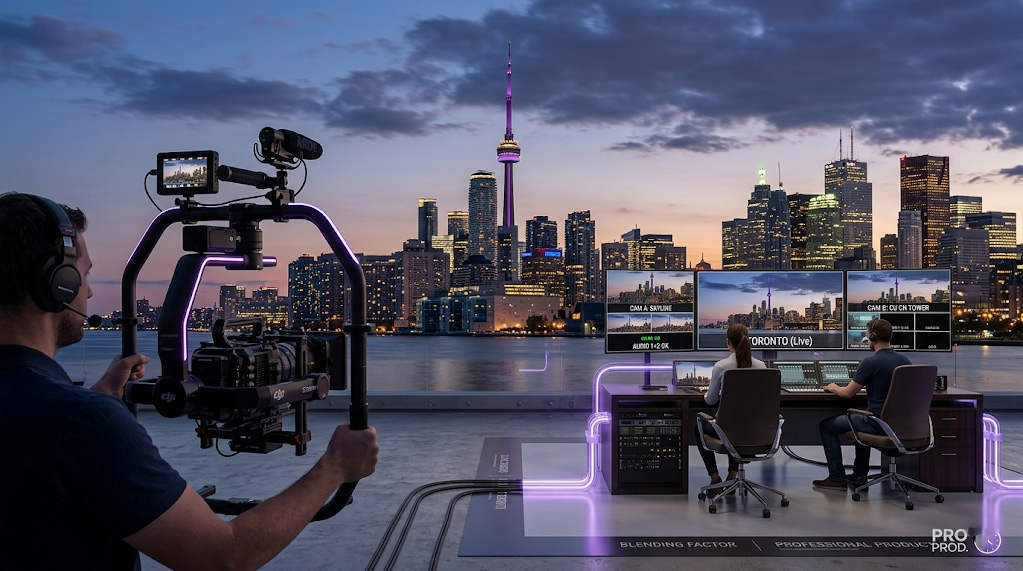
Enterprise buyers notice when a video speaks their specific language. This goes beyond using industry buzzwords. It involves showing an understanding of the day to day friction points within their vertical. If you are selling to a logistics firm in Ontario, your video should reflect the specific geographic and regulatory hurdles of Canadian supply chains. If the visual metaphors or the script feel “off” or too Americanized for a domestic contract, it creates a subtle sense of misalignment.
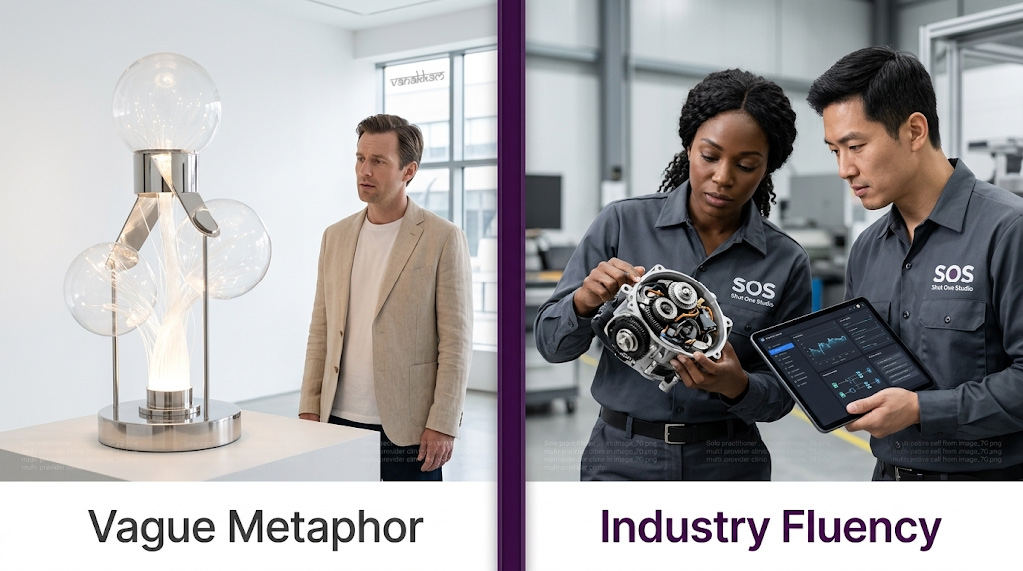
2. Technical Validation and “The How”
While B2C video focuses on the “Why,” enterprise video must address the “How.” Senior stakeholders and technical leads are looking for proof of concept. They notice when a video shows the actual interface of a software, the physical durability of a product, or the specific workflow of a service. Vague animations that hide the product behind metaphors are often viewed with skepticism.
3. Peer Credibility and Authentic Social Proof
In the enterprise world, a testimonial from a recognizable peer is worth more than a dozen high end motion graphics. Buyers notice the seniority and the specific titles of the people appearing in your videos. They look for “like for like” validation.

A Director of Operations wants to hear from another Director of Operations about how the implementation went, how the support team handled a crisis, and what the actual ROI looked like after twelve months.
4. Quality of Production as a Proxy for Stability
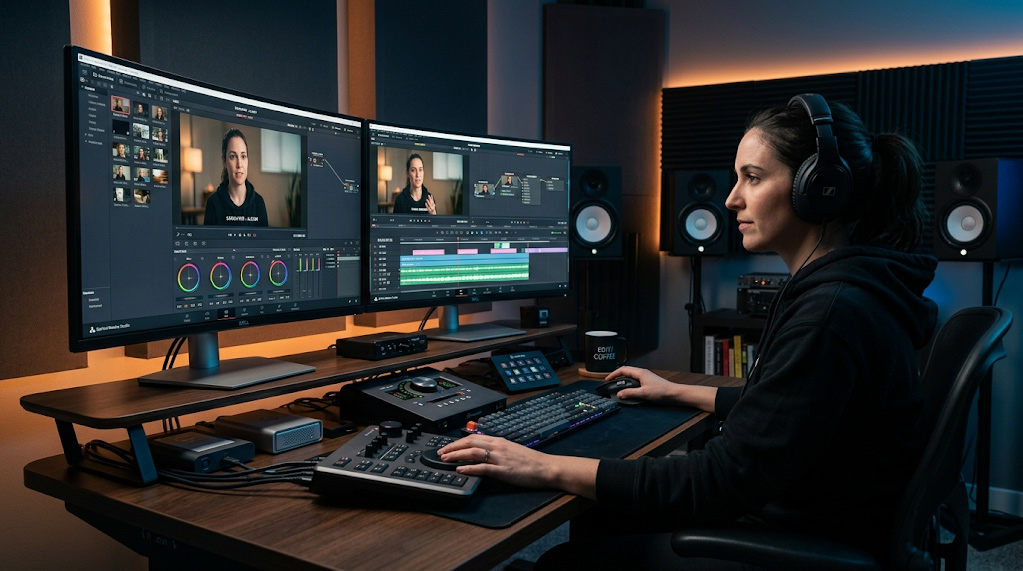
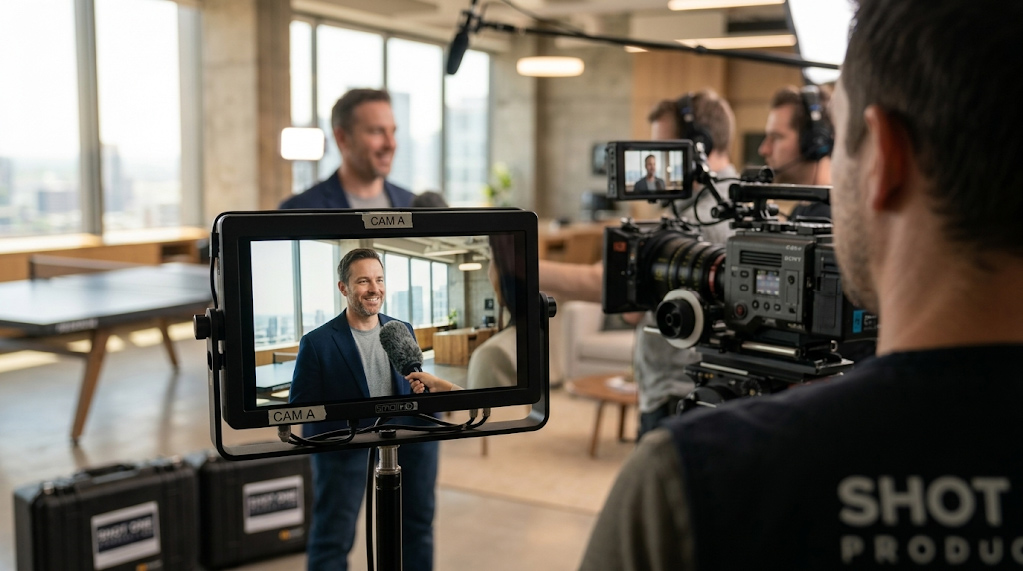
While high production value does not guarantee a sale, low production value can certainly lose one. Enterprise buyers view the quality of your video as a proxy for the stability of your company. A video with poor audio, shaky footage, or dated graphics suggests a lack of resources or a lack of attention to detail. In a high stakes procurement environment, these small signals of “unprofessionalism” translate to perceived risk.
5. Accessibility Compliance and Inclusive Design
In 2026, accessibility is no longer a “nice-to-have” in Canada; it is a procurement requirement under the Accessible Canada Act. Enterprise buyers notice when a video includes high-quality closed captions, described video (DV) options, and high-contrast text overlays. Delivering a barrier-free video experience signals that your organization is mature, compliance-ready, and respectful of diverse corporate stakeholders.
What They Ignore: The Corporate Noise
1. Generic Stock Footage and “Global” Tropes
The era of the “shaking hands in front of a glass building” stock clip is over. Enterprise buyers have become blind to generic visuals. When a video relies heavily on stock footage that could belong to any company in any industry, the buyer stops paying attention. It signals that the company has nothing unique to show or is hiding a lack of physical infrastructure.
2. Overly Dramatic Cinematic Trailers
There is a trend in corporate video to mimic movie trailers with pounding drums and aggressive transitions. While this might win a creative award, it often fails the enterprise buyer. If the style overwhelms the substance, the buyer perceives it as “fluff.” Executive decision makers are time poor. They ignore the sixty second cinematic intro and skip ahead to the parts that explain the value proposition.
3. Marketing Speak and Vague Superlatives
Words like “revolutionary,” “world class,” and “seamless integration” have lost their meaning through over use. When an enterprise buyer hears these terms without immediate supporting data, they tune out. They ignore the adjectives and look for the nouns and the numbers.
4. One Size Fits All Content
A video that tries to speak to everyone ends up speaking to no one. Buyers ignore videos that feel like they were made for a general audience when they are looking for a specialized solution. If a procurement officer for a healthcare network sees a video that spends half its time talking about retail applications, they assume the provider is not a specialist in their highly regulated field.
The Five Asset Strategy for Enterprise Sales
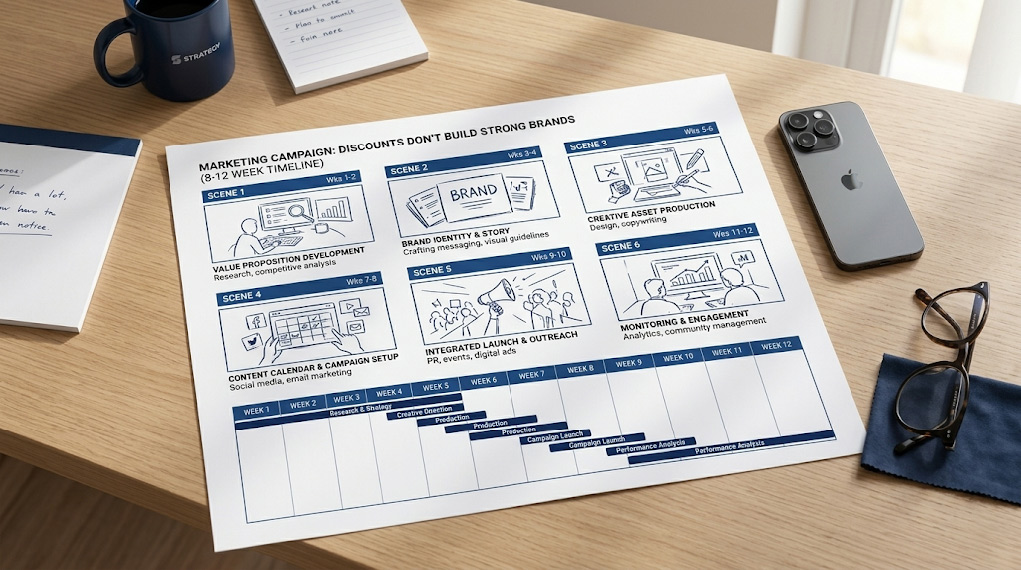
To move from being ignored to being noticed, Canadian enterprises should move away from the “One Hero Video” model. Instead, a suite of targeted assets should be deployed across the sales cycle.
| Asset Type | Primary Audience | What They Notice |
| The Insight Film | C-Suite | Strategic vision and alignment with global trends |
| The Technical Deep Dive | IT / Engineering Leads | Granular detail, API integrations, and security protocols |
| The Proof Point | Procurement / Finance | Hard data, ROI metrics, and implementation timelines. |
| The Peer Story | Operations / End Users | Ease of use and real world problem solving. |
| The Cultural Brief | HR / Legal | Compliance standards, ESG values, and team stability. |
Integrating AI with Human Oversight
As we move through 2026, AI has become a standard part of the video production workflow. Enterprise buyers notice the efficiency that AI provides, such as instant multi language dubbing for global offices or personalized video messages for account based marketing. However, they also notice when AI is used to cut corners.
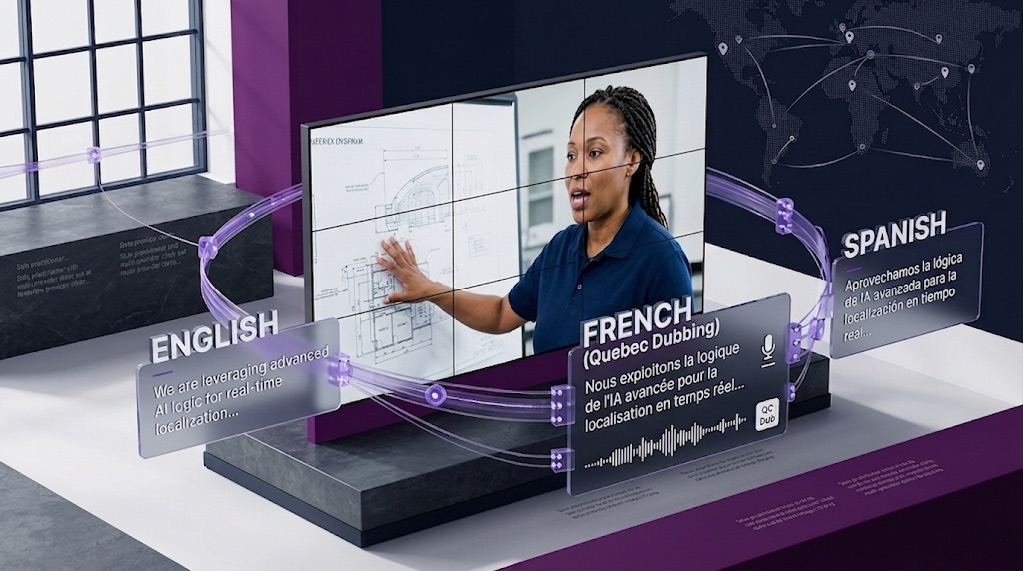
The key to AI in enterprise video is “Augmented Authenticity.” While enterprise buyers value the efficiency of AI, such as instant localization for the Quebec market or automated transcription, they are increasingly wary of “Synthetic Experts.” AI should handle the scale (distribution and formatting), but the Insight Film and Peer Story must remain human. A buyer will immediately discount a solution if a testimonial feels generated or if a technical expert’s voice lacks the nuanced inflection of real-world experience.
Best Practices for Canadian Enterprise Video
To ensure your video strategy stands up to the scrutiny of a Canadian enterprise buyer, follow these three principles.
1. Prioritize Audio over Visuals
An executive might forgive a slightly grainy image if they are watching on a mobile device, but they will never forgive bad audio. Clear, professional sound is the most important technical element of a corporate video. It ensures that your message is heard without distraction.
2. Focus on “Problem/Solution” Architecture
Structure every video around a specific challenge. State the problem clearly, show the journey to the solution, and conclude with the measurable result. This logical flow mirrors the way enterprise buyers write their internal business cases.
3. Respect the Time to Value
Get to the point quickly. If a video is three minutes long, the most important information should be delivered within the first forty five seconds. Use captions and on screen text to ensure the message is conveyed even if the buyer is watching with the sound off in a public space.
4. Design for “Silent Scrutiny” and Dark Social
Many enterprise decision-makers first encounter your video in “Dark Social” channels (like private Slack groups or LinkedIn DMs) where they may be watching without sound. Beyond simple captions, use strategic kinetic typography to highlight key data points. If your video can’t communicate its core business case on mute, it will be ignored by the busy executive scrolling between meetings.
Summary: The Path to Conversion
In the competitive landscape of 2026, enterprise buyers are looking for partners, not just vendors. They notice videos that demonstrate a deep commitment to their success and a thorough understanding of their challenges. They ignore anything that feels like a shortcut.
By focusing on industry fluency, technical validation, and authentic social proof, Canadian companies can use video to build the trust necessary to win complex contracts. Video is no longer just a marketing asset; it is a critical component of the enterprise sales infrastructure.

Frequently Asked Questions
- How long should an enterprise corporate video be?
It depends on the stage of the funnel. Awareness videos should be 60 to 90 seconds. Technical explainers or case studies can range from 2 to 5 minutes, provided the content remains high value throughout.
- Do enterprise buyers care about video on social media?
Yes. LinkedIn has become a primary research tool for B2B buyers. They notice when a company shares consistent, high quality insights through video, as it builds “ambient trust” before a formal meeting ever takes place.
- Should we mention pricing in our videos?
In enterprise sales, pricing is often customized. Instead of specific numbers, focus on the “Value Framework.” Show how your solution saves money or generates revenue, which prepares the buyer for the pricing conversation later.
- How does AI affect the credibility of corporate video?
AI is a powerful tool for localization and data visualization, but it can be a trust-killer if misused. Over-reliance on AI-generated avatars or synthetic voices in high-stakes “Peer Stories” creates an “uncanny valley” effect. For Shot One Studio, the rule is simple: use AI for the logistics of the video, but keep the human faces and voices for the credibility.
Disclaimer: This guide was produced by the Shot One Studio Strategy Team. Shot One Studio specializes in high stakes video production for Canadian enterprises looking to lead their industries through strategic storytelling.